
Current News
News Published Date: 13th February 2026
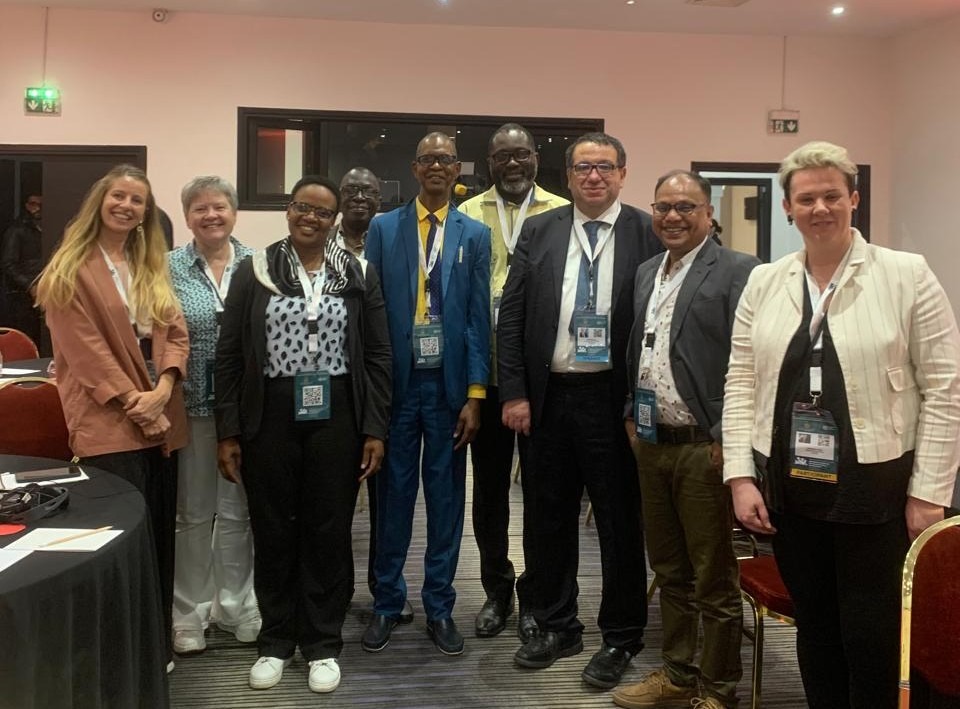
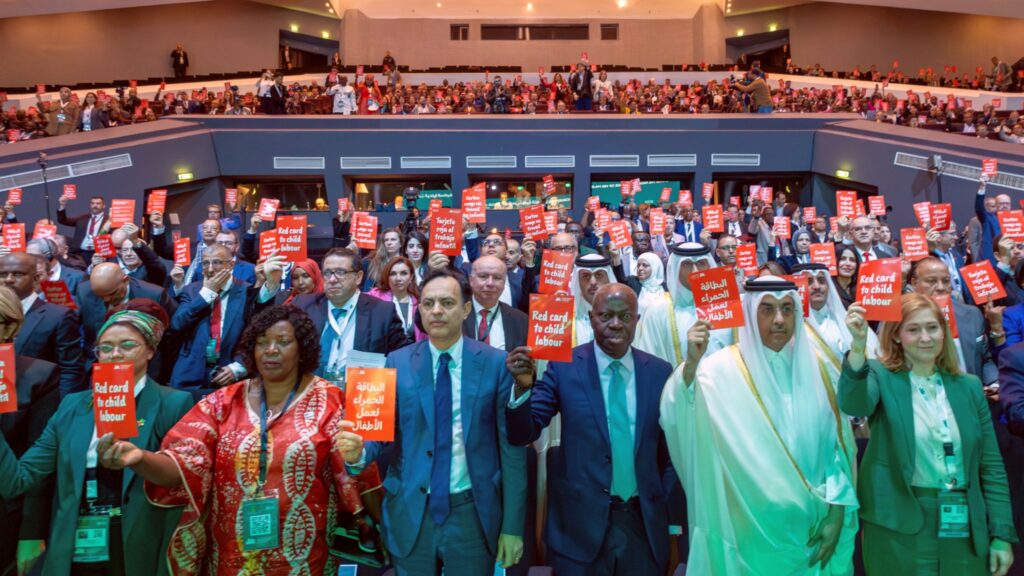
Participation in the 6th Global Conference on the Elimination of Child Labour.

With 138 million children still trapped in child labour worldwide, the 6th Global Conference on the Elimination of Child Labour brought together governments, trade unions, civil society, the private sector and international organisations in Marrakech to accelerate action towards 2030. Convened by the International Labour Organization (ILO), the conference concluded with the adoption of a global Call for Action and a Road Map to 2030.
I had the privilege of representing Educo at this important global forum.
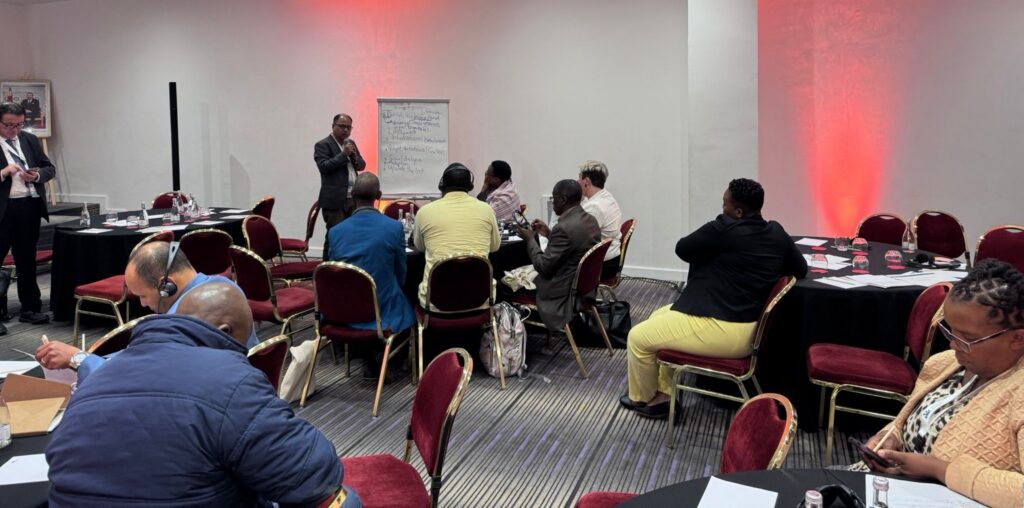
Over three days, I participated in thematic panels, plenary sessions, interactive discussions and a side event. These exchanges provided a strong platform to connect field realities with global policy debates and to advocate for practical, community-driven solutions.
On behalf of Educo, I shared the current situation of child labour in Bangladesh, highlighting persistent drivers such as poverty, informality and enforcement gaps, alongside emerging risks linked to climate vulnerability and displacement. I stressed that child labour cannot be addressed in isolation from structural challenges, particularly the growing impact of climate change on livelihoods.
A central focus of my intervention was Educo’s holistic, rights-based model to eliminate child labour in the urban informal economy. Our approach integrates prevention through community engagement, identification and rehabilitation of children, access to education and skills development, livelihood support for families, and advocacy for stronger law enforcement. Participants responded positively to the integrated nature of this model, especially its balance between prevention, protection and sustainable economic alternatives.
I also presented our Community-Led Child Labour Monitoring Committee model, which mobilises community members to identify children at risk, support their reintegration into education and promote local accountability. Encouragingly, the emphasis on community-driven monitoring and local ownership is reflected in the Road Map for 2030 adopted at the conference.
Several advocacy points raised during my interventions were echoed in the final outcomes. The Road Map recognises climate vulnerability as a structural driver of child labour, reinforcing the link we highlighted between displacement, loss of livelihoods and hazardous work. There is also renewed emphasis on stronger enforcement of existing laws, including sanctions for violations. The Call for Action acknowledges hidden and vulnerable groups, including child domestic workers, and highlights the importance of evidence-based Technical and Vocational Education and Training (TVET) as a pathway to decent work for adolescents.
Overall, the conference strengthened global alignment around holistic, climate-sensitive and community-rooted approaches—principles that are already at the core of Educo’s strategy. It was encouraging to see that the experience and evidence we shared from Bangladesh resonated in the final global commitments.
I am grateful for the collective work of all colleagues whose efforts on the ground make this advocacy possible. Our field experience continues to shape global discussions—and that is a strong achievement for Educo.
News Published Date: 3rd February 2026
Impact Investment Boot Camp | 2–3 February 2026
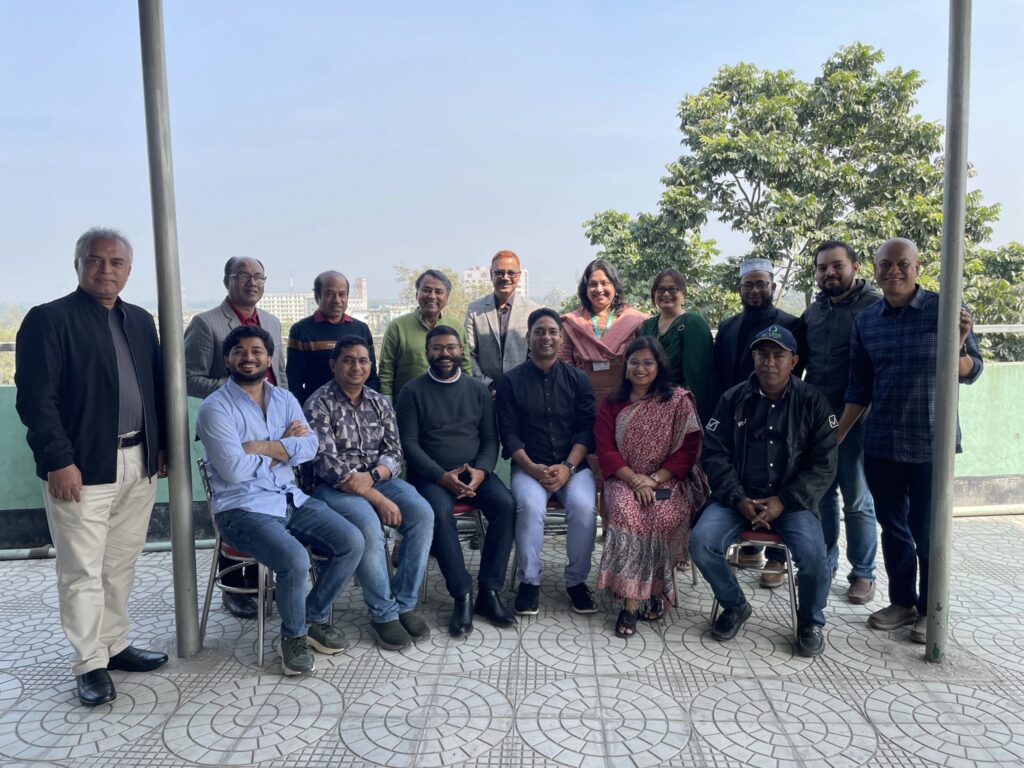
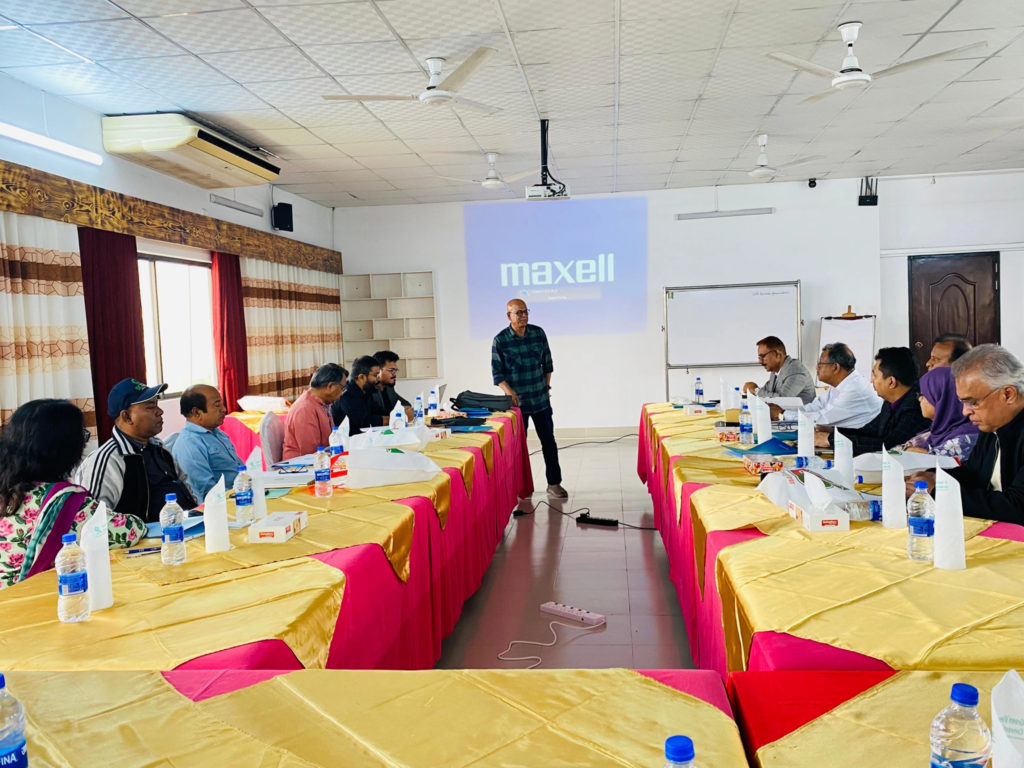
A two-day Boot Camp on Impact Investment was successfully organized on 2–3 February 2026, facilitated by Build Bangladesh, a leading organization in impact investment in Bangladesh.
The boot camp brought together 20 senior-level participants from the top management of 8 organizations, including Educo and Build Bangladesh. The sessions focused on strengthening understanding of impact investment, exploring practical models, and discussing pathways to mobilize capital for sustainable and inclusive development.
Key discussions covered the role of NGOs in impact investment, identifying business opportunities within NGO-run programs, and advocacy priorities for developing a supportive ecosystem for NGOs through the National Advisory Board (NAB). Participants also explored how coordinated advocacy, policy engagement, and ecosystem collaboration can enable NGOs to access impact capital and contribute more effectively to sustainable development.
The interactive discussions, peer learning, and expert facilitation made the boot camp a valuable platform for leadership engagement and future collaboration within the impact investment ecosystem.

News Published Date: 15th October 2025
Speaking for Rohingya Children at the UN
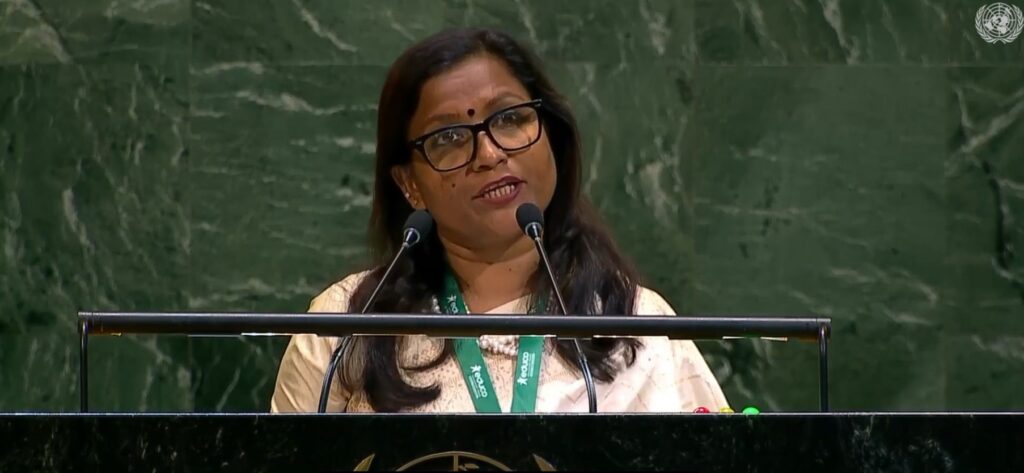
At the UN headquarters in New York, Sumi Akter Shewly, Head of Educo ONG Humanitarian Response in Cox’s Bazar, raised her voice on behalf of Rohingya families who continue to live in one of the world’s most prolonged humanitarian crises.
🔹 Bangladesh is currently hosting over one million Rohingya refugees, half of whom are children.
🔹 Since the beginning of the crisis, Educo has reached 70,000 children with education and protection support in the camps.
Educo Bangladesh is committed to ensuring that every child, regardless of their status, has access to safe, equitable, and quality education. Yet, challenges remain urgent and critical: Rohingya families remain stateless, deprived of citizenship, work opportunities, and access to formal education.
In her address, Sumi urged governments, the United Nations, civil society, and donors to join forces in ensuring protection, education, and dignified solutions for Rohingya children. She emphasised that repatriation must be safeguarded—not sidelined.
Educo Bangladesh will continue to advocate globally and locally so that no child’s future is left behind.